Choosing an ideal smart access control system for your home can be daunting. According to a report by Grand View Research, the global smart access control market is anticipated to reach $15.3 billion by 2025. The increasing emphasis on home security motivates homeowners to invest in these systems. So, how to choose a smart access control system for your home?
Kyle Johnson, a leading expert in smart home technology, shares, "Prioritizing security needs is crucial when selecting a smart access control system." This insight matters as homeowners navigate various options. Consider factors like compatibility with existing devices, ease of use, and cost. Features such as remote access, mobile alerts, and biometric scanning elevate security. However, many consumers often overlook data privacy risks inherent in smart systems.
Real-life examples often reveal gaps between expectations and functionality. Families might choose systems based on trends rather than genuine need. It's essential to evaluate your lifestyle and security requirements before making a decision. Addressing these concerns fosters a more reliable selection process, ensuring peace of mind for your household.
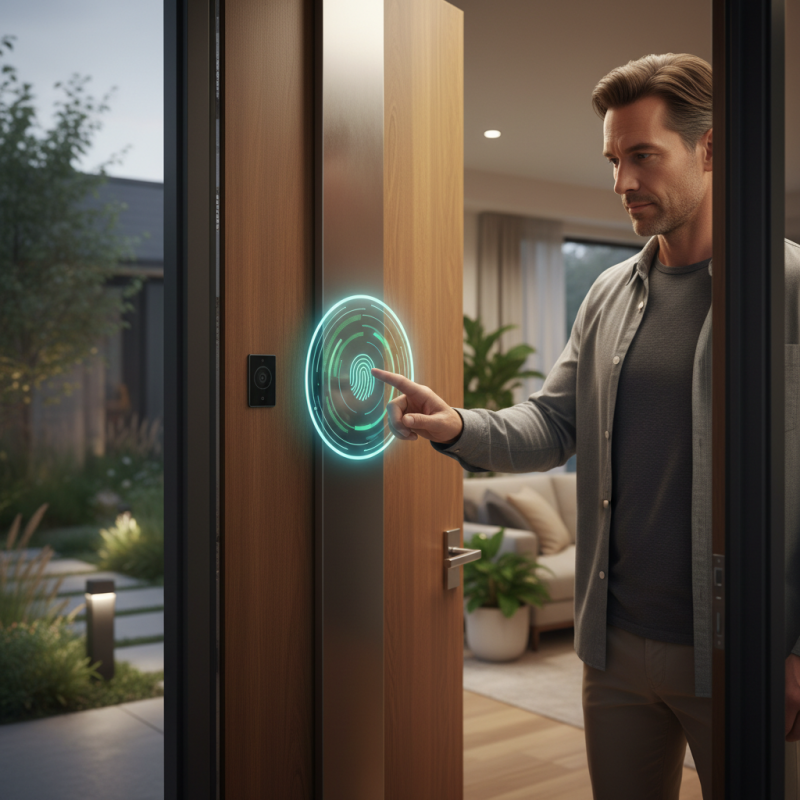
Smart access control systems are changing how we secure our homes. These systems utilize technology to manage who can enter your property. Understanding the basic concepts is essential to make the right decision.
A key feature is the use of keycards or mobile devices for access. This replaces traditional keys, which can easily be lost or duplicated. Many systems also include video monitoring. This allows homeowners to see who is at the door and communicate with them remotely. Additionally, smart locks can often be linked to your home network, enhancing security through alerts and access logs.
However, not all smart access control systems are created equal. Some may lack essential security features. You should research to ensure they meet your needs. Factors like compatibility with existing home systems and installation options are crucial. As these technologies evolve, it's vital to stay informed about potential vulnerabilities. Regularly reviewing your system's effectiveness can help maintain security and convenience. Choose wisely to ensure your home remains safe.
: It is a technology-based system that manages property access, enhancing home security.
They often use keycards or mobile devices instead of traditional keys, which are easily lost.
Video monitoring allows homeowners to see and communicate with visitors remotely, improving security.
Research essential features, compatibility with home systems, and installation options.
Look for intuitive designs and visual aids. Test usability with family members for valuable feedback.
Prioritize systems that offer advanced encryption and multi-factor authentication to deter intruders.
Yes, regularly assessing your system’s effectiveness helps maintain security and convenience.
Consider flexibility, such as mobile app integration, to accommodate changing family needs over time.
Testing the lock and unlock response time is essential; delays can be frustrating and impact usability.
Finding a balance is crucial. Sometimes, simpler systems are better for comfort and practicality at home.
When considering how to choose a smart access control system for your home, it's essential to begin by understanding the basic concepts associated with these systems. Look for key features that enhance security, such as remote access, real-time monitoring, and integration capabilities with other smart home devices. Ensure the system is compatible with your existing security measures and infrastructure, as seamless integration will optimize the overall functionality and effectiveness of your home security setup.
User experience is another crucial aspect; the system should be easy to use for all family members, allowing for convenient access and management. Lastly, exploring various budget options is vital, taking into account both the initial investment and long-term costs associated with maintenance and upgrades. By carefully evaluating these factors, you can confidently select the best smart access control system tailored to your home’s needs.

 KBM Living