In today's rapidly evolving security landscape, understanding why integration is important in modern security systems cannot be overstated. As threats increase in complexity, a fragmented security approach becomes insufficient. Integration allows various security components, such as surveillance cameras, alarms, and access controls, to work together seamlessly. This enhances the overall effectiveness of the security infrastructure.
Moreover, a comprehensive integrated system improves response times during incidents. For instance, when a security breach occurs, all systems can instantly communicate with each other, minimizing potential damage. Integrated systems provide insightful data analysis, allowing organizations to identify and rectify vulnerabilities proactively.
However, achieving integration is not without challenges. Organizations may struggle with technical compatibility and user training. Continuous advancements in technology can lead to outdated systems. Rethinking how these systems integrate is essential to meet evolving security needs. Understanding these issues highlights the critical nature of integration in developing robust modern security solutions.
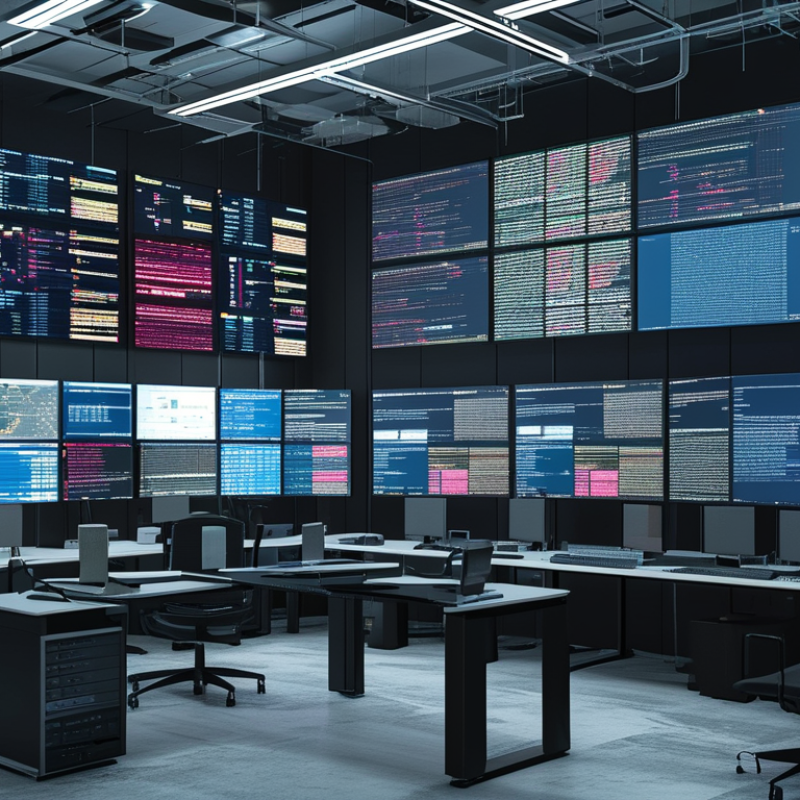
Integration has become a cornerstone of modern security systems. The increasing complexity of security threats demands a holistic approach. According to a recent report from the Security Industry Association, integrated systems can reduce response times by over 25%. This integration allows for real-time data sharing and analysis across various platforms. For instance, linking access control with surveillance systems provides enhanced situational awareness. Security teams can make informed decisions faster.
Despite its benefits, integration poses challenges. Many organizations struggle with system compatibility. A survey from MarketsandMarkets revealed that 45% of businesses face difficulties in integrating new technologies into existing frameworks. This disconnect can lead to vulnerabilities. For example, a poorly integrated alarm system may fail to alert security personnel promptly. Addressing these integration issues is crucial for maintaining effective security measures.
Moreover, the human factor should not be overlooked. Training employees to use integrated systems effectively remains a significant hurdle. A report by Gartner found that 60% of security breaches are due to human error. Therefore, continuous education on utilizing integrated systems is essential. Businesses must foster a culture of awareness and adaptability to enhance overall security effectiveness.
In today's security landscape, integrated solutions are increasingly vital. Organizations are finding that single-point systems often leave gaps. A recent study from the Security Industry Association indicates that integrated systems can reduce security incidents by up to 30%. This statistic emphasizes the importance of a cohesive approach to security.
Companies are recognizing the efficiency of integrated security solutions. By combining access control, surveillance, and alarm systems, teams can manage risks more effectively. According to a report by Allied Market Research, the global market for integrated security systems is projected to reach $88 billion by 2027. This growth reflects a trend towards prioritizing comprehensive security measures.
However, the implementation of integrated systems is not without challenges. Complexity can lead to technical difficulties. Staff may require extensive training. Less than half of organizations claim their integrated solutions meet their expectations. This gap indicates room for improvement in technology and training. Businesses must remain adaptable, continuously assessing their systems to ensure they align with evolving threats.
In today's security landscape, system integration is crucial for enhancing effectiveness. Technologies like IoT devices, AI analytics, and cloud computing are pivotal in this integration. A recent report from MarketsandMarkets indicates that the global IoT in security market is expected to grow from $14 billion in 2020 to $50 billion by 2026. This data underscores the increasing reliance on interconnected systems.
AI plays a substantial role in analyzing security data. These systems can detect anomalies faster than human operators. For instance, machine learning algorithms can reduce false alarms by 40%. This efficiency provides security teams with more accurate insights. Integrating these solutions streamlines operations, unifying data sources for real-time response.
Tip: Consider implementing a layered security approach. Integrating physical security with cybersecurity allows for comprehensive threat detection.
Despite advancements, challenges remain. Many organizations face difficulties in merging existing systems with new technology. Training staff to utilize integrated systems efficiently can also be time-consuming. Transitioning will require a continuous evaluation of the integration process.
Tip: Regularly audit your security systems. This can identify integration gaps and areas for improvement.
Integrated security systems are becoming essential in safeguarding organizations. However, the challenges in implementing these systems can hinder their effectiveness. A recent report from the Security Industry Association indicates that nearly 70% of organizations face integration obstacles. These challenges often stem from diverse technologies and differing vendor solutions, making seamless communication difficult.
Each system may operate on its own standards, increasing complexity. For instance, the lack of a unified platform can lead to higher operational costs, as staff must be trained on multiple systems. Additionally, data silos can obstruct real-time threat analysis, crucial for effective decision-making. Reflecting on industry insights, 50% of security professionals acknowledge that integration mishaps negatively impact incident response times.
Moreover, compatibility is a significant concern. Systems designed without regard for integration can leave vulnerabilities. Research shows that 40% of firms suffer from security gaps due to these inadequate integrations. While automation and AI can enhance effectiveness, they require a solid integrated framework to maximize their benefits. Organizations must address these implementation challenges to build a robust security infrastructure.
Modern security systems rely heavily on integration to enhance efficiency and effectiveness. A case study from a leading city’s surveillance program highlights how combining various technologies yielded significant improvements. By integrating video surveillance with access control systems, the city reported a 35% reduction in theft incidents. This demonstrates how synergy among security tools can lead to measurable results.
Another example can be found in corporate environments. A major financial institution merged its fire detection systems with its alarm systems. As a result, response times improved by 50%. However, challenges emerged during integration. Some existing systems were not compatible, leading to increased costs and project delays. This highlights the importance of thorough pre-integration assessments.
Research indicates that a well-integrated security approach can lead to overall cost savings of up to 20% in the long term. Yet, organizations often underestimate the planning required for successful integration. Many fail to involve all stakeholders, which can result in miscommunications and implementation issues. Balancing effectiveness with resource management remains a key consideration in modern security strategies.
: Integrated solutions can reduce security incidents by up to 30%. They provide a cohesive approach, improving overall safety.
By combining access control, surveillance, and alarms, teams manage risks more effectively, streamlining overall operations.
Yes, the market for integrated security systems is projected to reach $88 billion by 2027, reflecting increasing demand.
Complexity can introduce technical difficulties. Staff often require extensive training, and systems may not meet expectations.
A city integrated surveillance with access control, reducing theft incidents by 35%. This shows the efficacy of combined technologies.
Compatibility problems with existing systems led to increased costs and delays, illustrating the need for thorough pre-integration assessments.
Yes, a well-integrated approach can save organizations up to 20% in long-term costs, but planning is often underestimated.
Failure to involve all stakeholders can cause miscommunications and implementation issues, impacting the effectiveness of the system.
Organizations must assess systems continuously to align with evolving threats while balancing effectiveness and resource management.
Less than half of organizations report meeting expectations, indicating a need to improve technology and training.
Integration is crucial in modern security systems, as it allows for the seamless connection of various technologies and processes to enhance overall effectiveness. Integrated security solutions offer numerous benefits, including improved situational awareness, streamlined operations, and reduced response times. By employing key technologies such as data analytics, cloud computing, and IoT devices, organizations can create a holistic security ecosystem that enhances protection against threats.
However, the implementation of integrated security systems presents challenges, such as compatibility issues and the need for skilled personnel. Despite these hurdles, successful case studies demonstrate the potential of integration in creating robust security frameworks that can adapt to evolving threats. Ultimately, understanding why integration is important in modern security systems can empower organizations to safeguard their assets more effectively and efficiently.
KBM Living