In today's world, building security is paramount. Experts agree that it's crucial to have a comprehensive approach. John Smith, a leading figure in security consulting, states, "A robust security solution is a blend of technology, training, and strategy." His insight highlights the complexity of designing a successful security system.
When considering how to design a complete building security solution, one must evaluate various factors. Safety is not just about physical barriers. It encompasses surveillance, access control, and employee training. A well-rounded plan requires an understanding of potential vulnerabilities. Each building has its unique challenges and needs.
Reflecting on past implementations, areas for improvement often surface. Some plans may overlook the human element in security. Training staff to recognize threats is as vital as technical measures. As we explore the top 10 steps, it’s essential to remember that no solution is perfect. Aiming for continuous improvement can lead to a more secure environment.
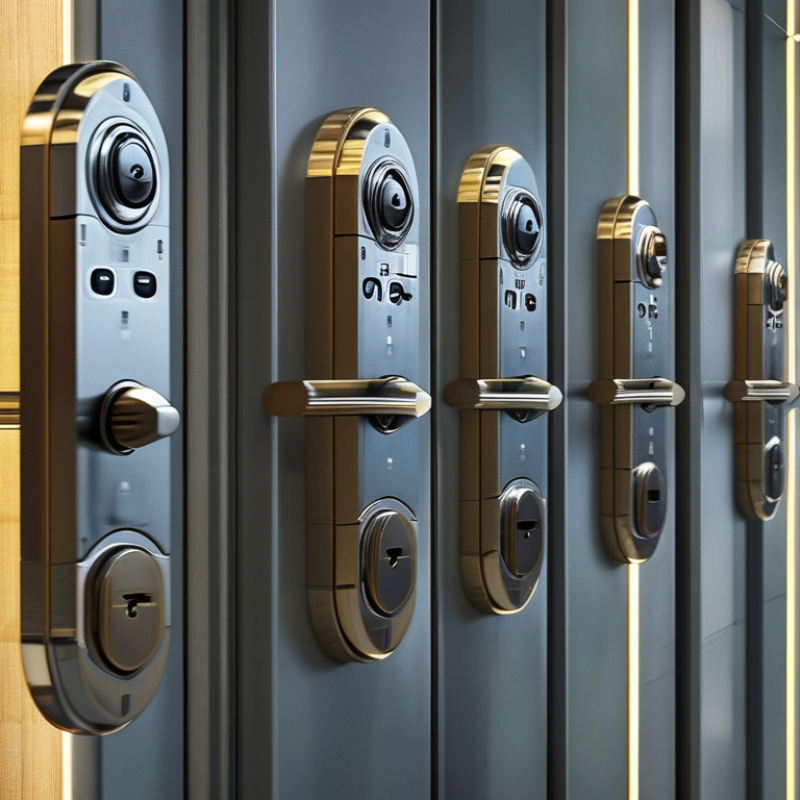
Identifying security requirements and objectives is crucial for a comprehensive building security solution. Each building is unique, with specific needs based on its purpose, location, and occupants. Start by assessing potential threats. This might include theft, vandalism, or unauthorized access. Surveys and consultations with staff or residents can yield valuable insights.
Next, consider how the layout of the building impacts security. For example, multiple entry points can increase vulnerability. Identify areas that require heightened security measures, such as cash handling facilities or sensitive areas. Assess the available resources and budget. This prevents overestimating capabilities and ensures a realistic approach. It's easy to overlook finer details, such as proper signage or adequate lighting, which can deter incidents.
Documenting these findings creates a solid foundation. This process can reveal gaps in current practices. It’s important to accept that security is not just about technology; human awareness plays a key role. Implementing training programs for staff can enhance overall security effectiveness. Reflecting on these aspects regularly is essential. Security measures should evolve with changing threats and circumstances.
Risk assessment is crucial for any building security solution. It involves identifying potential threats and vulnerabilities specific to the location and design of the structure. Start by gathering data about previous incidents in similar buildings. This helps in understanding the unique risks your facility may face.
Engaging stakeholders is essential. Talk to employees, security experts, and local law enforcement. Their insights provide a broader perspective on potential threats. Conduct site visits to identify weak points. Look for areas with poor visibility or inadequate lighting. Every detail counts in this assessment process.
Consider the impact of human behavior on security. Employees may unknowingly compromise safety. Addressing this through training can be beneficial. Analyze access points and visitor management systems. Identify gaps and areas for improvement. A comprehensive vulnerability analysis demands constant refinement. Reflect on your initial assessment regularly to ensure it evolves with emerging threats.
Designing a complete building security solution requires careful selection of integrated security technologies and equipment. According to the Security Industry Association (SIA), 68% of businesses now prioritize integrated security systems. This shift reflects a growing recognition of the need for comprehensive security. Technologies such as access control, video surveillance, and intrusion detection should work seamlessly together. This integration enhances the overall effectiveness and efficiency of a security solution.
Furthermore, advanced analytics play a crucial role. A report by MarketsandMarkets indicates that the video surveillance market is expected to reach $62 billion by 2024. This emphasizes the importance of choosing equipment that offers robust data analytics capabilities. However, not all solutions are created equal. Some may provide false alarms or lack user-friendly interfaces. Investing in the right technology requires careful reflection on what security features truly meet your needs.
Additionally, end-user training is often overlooked. A lack of understanding about equipment can lead to ineffective use. Studies show that 49% of security breaches are due to human error. Regular training sessions can mitigate this risk. It's essential to adapt training programs as technology evolves. Ultimately, a thoughtful approach to selecting integrated security technologies will create a safer environment.
Developing a detailed security plan is crucial to any comprehensive building security solution. This plan should identify potential risks based on the specific context of the building. Assess vulnerable entry points, evaluate the surrounding environment, and consider the behaviors of occupants. Security measures should be tailored to this information.
Consider installing surveillance cameras in high-traffic areas. This can deter unauthorized access. However, too many cameras may lead to an overwhelming amount of footage, making it hard to monitor effectively. Keep the plan simple yet robust. Ensure regular updates to the security measures as new threats emerge.
Engaging with local law enforcement can enhance the effectiveness of your strategy. They can provide insights on recent crime trends in the area. Collaborate on drills to test your response plan. It’s a proactive approach to improve preparedness.
Regular training for security staff is vital. Miscommunication can lead to chaos during actual emergencies, highlighting the importance of clear protocols.
Establishing ongoing monitoring and maintenance procedures for security systems is crucial. Regular checks ensure that all components function effectively. It’s not enough to install a state-of-the-art security system and walk away. Maintenance should be part of your routine.
Conduct monthly inspections of alarms and cameras. This might seem excessive, but minor issues can lead to major failures. Remember, even the best systems can fail if they're not maintained. Operating without checks creates vulnerabilities.
Tips: Create a checklist for these inspections. This way, you won’t miss important elements. Involve your team in the process. They can identify areas for improvement. Document any findings and follow up promptly. Solicit feedback to refine your procedures.
Commit to training staff on security operations. Knowledge gaps can undermine your system. Ensure everyone knows proper protocols and how to handle emergencies. This alignment creates a culture of vigilance and accountability. Regular training sessions keep the team engaged and aware of evolving threats.
: A detailed security plan identifies risks based on the building's context and specific vulnerabilities.
It should assess entry points, evaluate surroundings, and tailor measures to occupant behaviors.
Cameras in high-traffic areas deter unauthorized access but can create overwhelming footage if overused.
Regularly inspect alarms and cameras monthly to ensure all components function effectively.
Training addresses knowledge gaps and ensures everyone understands protocols for handling emergencies.
They provide insights on crime trends and can assist with drills to test your response plans.
Document any findings, follow up promptly, and involve your team for feedback and improvements.
Yes, even the best systems are vulnerable if not maintained regularly, leading to potential failures.
Include alarms, cameras, and any other critical components to ensure nothing is overlooked.
Regular training sessions keep staff engaged and prepared for evolving threats.
Designing a complete building security solution requires a systematic approach to effectively safeguard the premises. The first step is to identify security requirements and objectives tailored to the specific needs of the building. This is followed by conducting a comprehensive risk assessment and vulnerability analysis to understand potential threats and weaknesses.
Next, selecting integrated security technologies and equipment is crucial to enhance safety and surveillance capabilities. Developing a detailed security plan and implementation strategy ensures that all measures are coordinated and executed efficiently. Finally, establishing ongoing monitoring and maintenance procedures for security systems is essential for ensuring the long-term effectiveness of the security solution. By following these steps, one can learn how to design a complete building security solution that effectively addresses current and future security challenges.

KBM Living