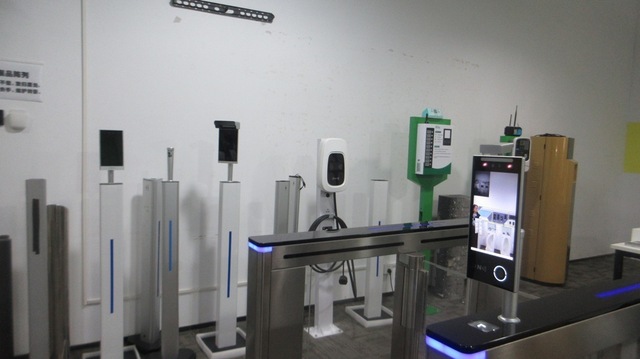
Explore our top-tier security systems, featuring state-of-the-art biometric authentication, RFID integration, SIP video intercoms, and high-performance radar sensors designed for scalable facility security.
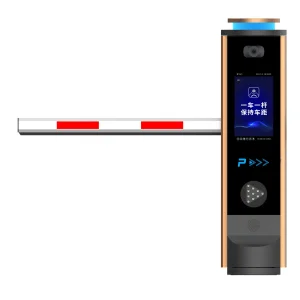
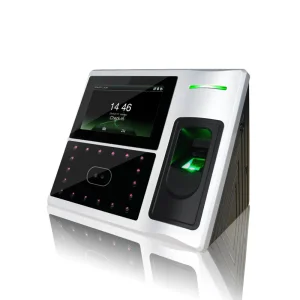
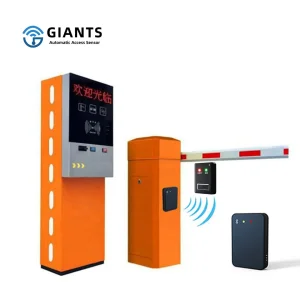
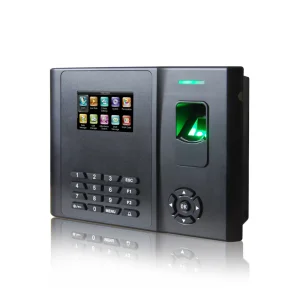
Global Pioneer in Smart Security, Intelligent Building Entry, and Biometric Identity Verification Platforms.
Shanghai KBM Living Co., Ltd. is a professional manufacturer and supplier specializing in smart security and intelligent building entry systems. The company focuses on the design, production, and export of advanced video door phone systems, smart doorbells, and access control solutions, providing reliable and innovative security products for residential, commercial, and industrial applications.
With a strong commitment to smart home technology, KBM Living integrates modern communication, IoT connectivity, and security control into its product range. Its solutions are widely used in apartment complexes, villas, office buildings, hotels, and gated communities, helping users achieve safer and more convenient entry management. The company’s product portfolio typically includes video intercom systems, WiFi-enabled smart doorbells, indoor monitors, outdoor door stations, and integrated access control systems.
Shanghai KBM Living Co., Ltd. emphasizes product quality, user-friendly design, and system stability. By adopting advanced manufacturing processes and strict quality control standards, the company ensures durable performance and long-term reliability. It also supports OEM and ODM services to meet the customized needs of global clients.
Driven by innovation and global market demand, KBM Living continues to develop intelligent, connected, and scalable smart security solutions, aiming to become a trusted partner in the global smart home and building security industry.
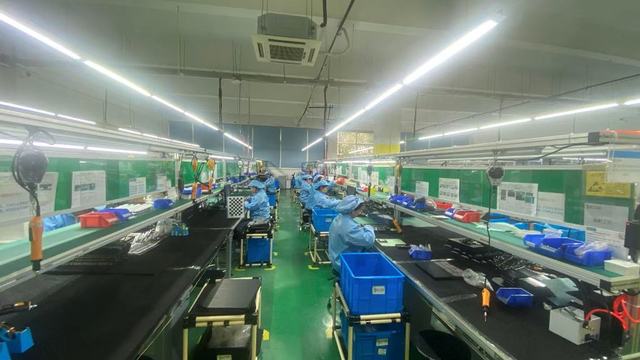
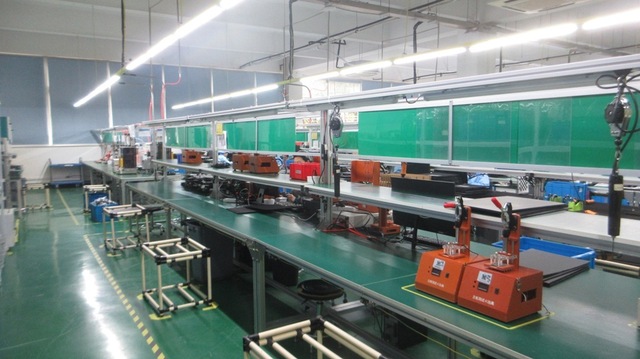
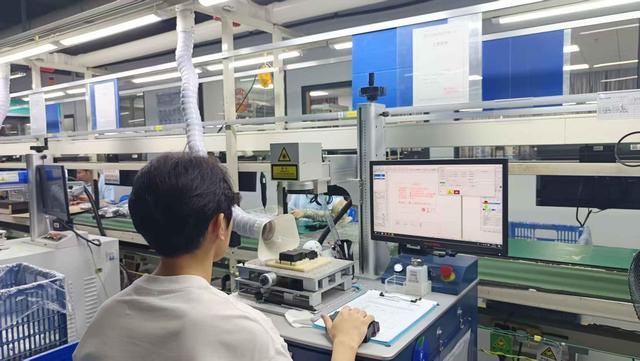
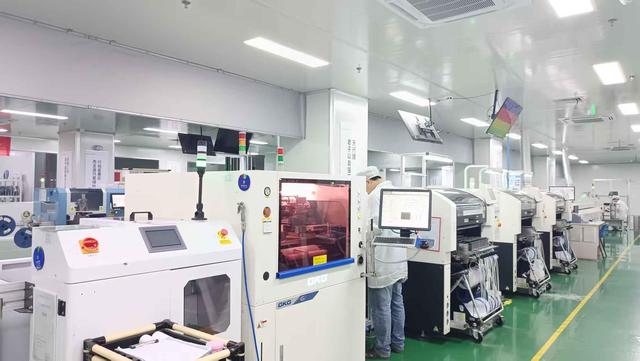
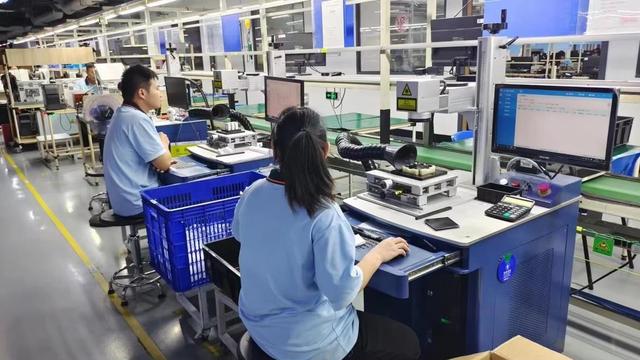
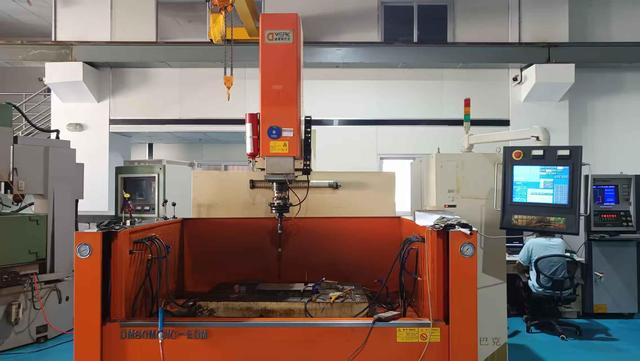
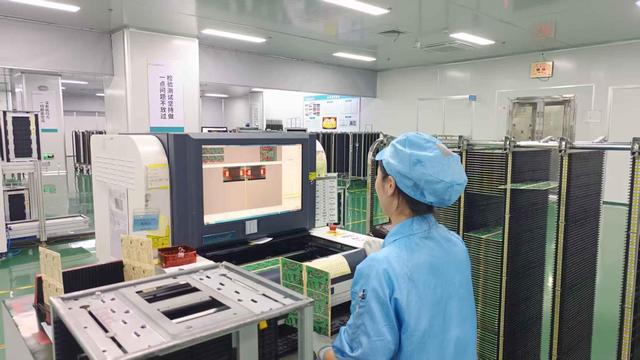
Our manufacturing complex adopts ISO 9001:2015 quality control systems, utilizing automated SMT placement, dust-free optics assembly, and multi-stage testing to guarantee the highest production reliability for global exports.


Years R&D Expertise
Export Destinations
Biometric Accuracy Rate
Installations Worldwide
Modern physical security has shifted from standalone entry management to complex, macro-level enterprise ecosystems. China's top fingerprint access systems manufacturers are now leading the charge by integrating biometric hardware directly with cloud-native frameworks, IoT telemetry, and building automation protocols. In high-density environments like commercial towers, industrial campuses, and municipal utility stations, security demands zero-trust user validation at the edge coupled with real-time central compliance tracking.
"Security is no longer defined by the strength of a physical lock, but by the integrity of the data that validates the key. Biometric physical access control systems (PACS) act as the primary firewall for modern smart structures."
Unify biometric credentials with Active Directory or HR databases to automatically provision or revoke facility access globally across multiple branch offices.
Implement local database fallback architectures so biometric matching occurs in sub-seconds locally at the door terminal, even during total WAN outages.
Monitor millions of access points simultaneously, aggregate entry telemetry, diagnose hardware issues, and execute emergency lockdown protocols via secure cloud APIs.
As standard RFID cards become highly vulnerable to cloning and physical theft, commercial and industrial enterprises globally are shifting investments to biometric authentication. This evolution is driven by the need for non-repudiation: verifying that the person gaining entry is exactly who they claim to be. Top manufacturing hubs in China, using regional cost efficiencies and massive component supply chains, are delivering high-performance biometric hardware capable of operating in extreme industrial environments, from high-temperature manufacturing complexes to freezing outdoor logistics yards.
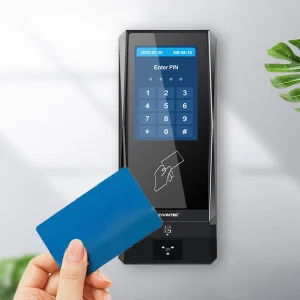
From an architectural perspective, physical access systems are no longer isolated sub-systems. They are tightly coupled with IP video intercom networks, multi-tenant visitor databases, automated license plate recognition systems for vehicle logistics, and automated time-attendance engines. The modern engineering approach utilizes hybrid systems that combine fingerprint, facial recognition, and card credentials on a single edge reader to provide custom authorization levels based on user roles and risk profiles.
Deploying a robust fingerprint entry system requires thorough understanding of the sensor technology, data storage architecture, and wiring communication protocols. Here is a technical breakdown of critical parameters that distinguish industrial-grade access control systems from entry-level products:
Optical sensors capture 2D images of fingerprints using a light source. While durable, they are prone to spoofing with high-resolution silicone molds. In contrast, capacitive semiconductor sensors measure the electrical charge difference between fingerprint ridges (which touch the sensor surface) and valleys (air gaps). This biological reading ensures high anti-spoofing protection and operates reliably under low-temperature or dry skin conditions.
Traditional controllers utilize the Wiegand protocol, which transmits card and credential numbers in unencrypted cleartext. This makes them highly vulnerable to sniffing and replay attacks. Modern secure facilities mandate Open Supervised Device Protocol (OSDP) over RS-485. OSDP utilizes AES-128 encryption, bidirectional communication, and constant supervision to monitor if a terminal has been tampered with or disconnected.
High-capacity terminals require fast computation. System components are rated by two primary metrics:
Exporting high-security entry hardware globally requires compliance with strict regional regulations and data privacy frameworks. Physical access hardware must align with structural safety, radio frequency, and data security mandates:
European data regulations mandate strict controls over biometric processing. To comply, our terminals support edge-only storage: biometric templates are stored locally in secure hardware enclaves and never transmitted to external cloud systems without encryption.
For deployment in North American installations, controllers must comply with UL 294 standards, which govern destructive attack tests, line security, system endurance, and standby power backup configurations during critical outages.
Electromagnetic compatibility testing guarantees that wireless communications (RFID 13.56MHz, Wi-Fi, Bluetooth) operate within standard emission parameters, preventing interference with other critical facility machinery.
Biometric authentication and smart security hardware are applied across diverse environments, each requiring tailored mechanical integrations and software configurations:
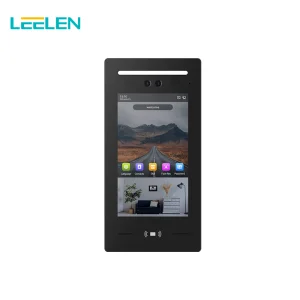
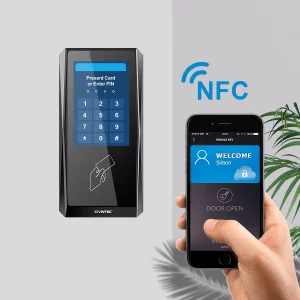
Residential entry points require seamless integration between outdoor biometric terminals and indoor communication devices. Systems like the Leelen 10.1 Inch HD SIP Intercom act as the central hub, allowing occupants to grant entry using facial recognition, temporary PINs, or mobile application authorization, while maintaining high-definition visual logs of all visitors.
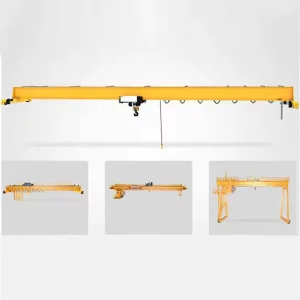
In high-risk environments, fingerprint authentication does more than protect access; it ensures operational safety. For instance, integration with an Integrated Control System for Single Beam Crane Remote Monitoring ensures that only certified operators, verified by their unique biometric profile, can start or control heavy industrial machinery.
Managing vehicle flow requires combining cameras with sensors. Combining license plate recognition (LPR) systems with Advanced 80GHz Radar Microwave Systems ensures that barrier gates open automatically for registered vehicles. At the same time, it prevents tailgating and keeps barrier arms from closing on passing pedestrians.
Complexes like mining camps or large resorts require unified access solutions. A Smart Camp System Solution links centralized guest databases with local access devices. This allows administrators to manage access permissions across accommodations, dining facilities, and workspaces from a single dashboard.
The biometric access control industry is moving toward multi-modal authentication and contactless entry. While physical fingerprint systems remain a reliable and cost-effective option, developers are increasingly integrating secondary authentication methods, such as facial recognition and mobile Bluetooth credentials, to support hands-free access.
At the software level, the introduction of Edge-AI is transforming access control. Rather than relying on cloud databases to identify users, edge processors execute on-device neural networks to match fingerprints and faces locally, even with databases containing tens of thousands of profiles. Additionally, the adoption of unified communications protocols like SIP ensures that physical access terminals can easily connect with VoIP phones, office IP-PBX systems, and unified building management systems.
Find technical insights regarding installation, integration protocols, data safety, and hardware configurations.
Complete your building security setup with our range of entry terminals, remote monitoring interfaces, automatic water sensors, and hotel room management software.
 KBM Living